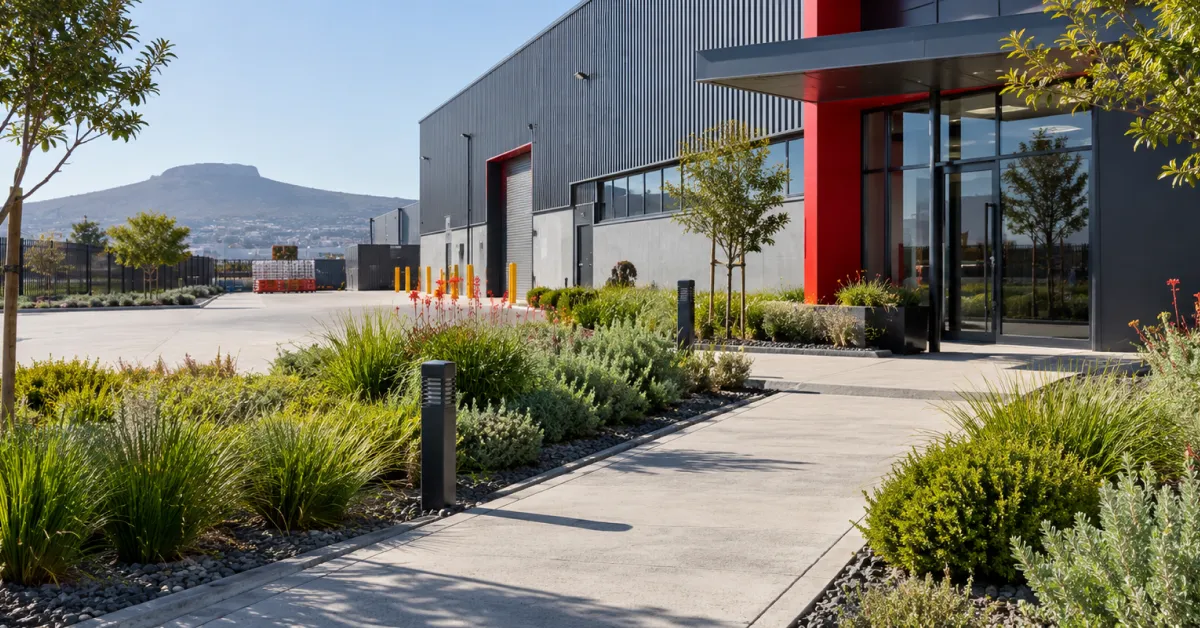
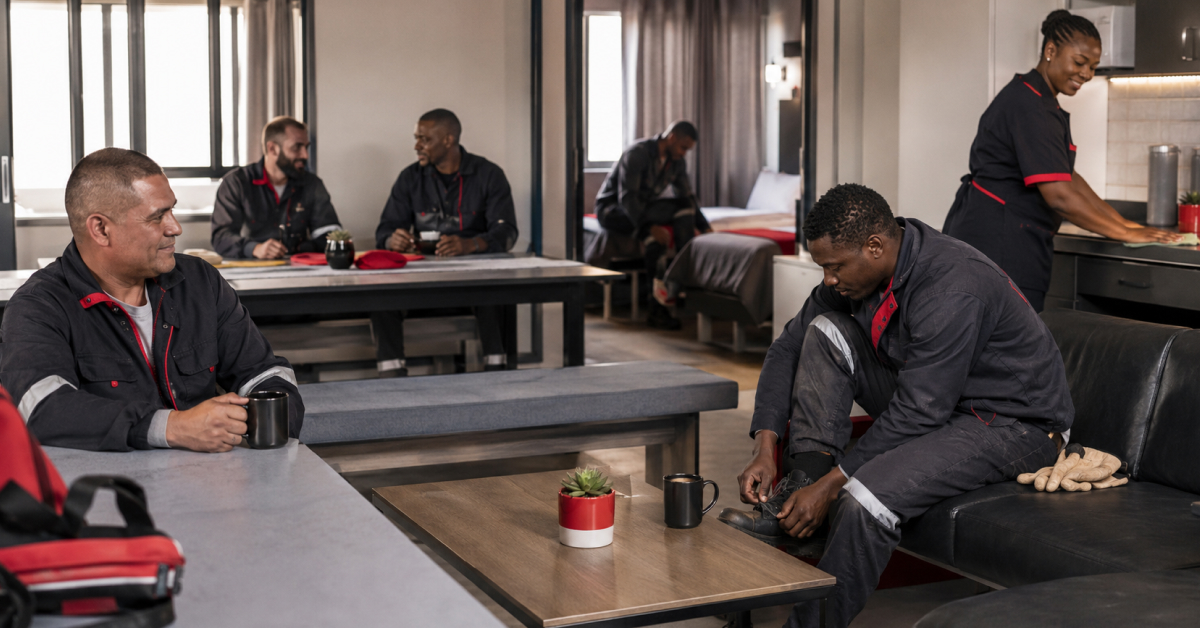
Facilities management is no longer just about keeping buildings clean, safe, and operational. In 2026, one of the biggest shifts across the industry is the growing focus on Workplace Experience. Businesses are recognising that the environment employees work in directly impacts productivity, wellbeing, and retention.
For companies across South Africa and beyond, this shift is not optional. It is becoming a key driver of performance and competitive advantage.
What is Workplace Experience in Facilities Management?
Workplace Experience refers to how employees interact with their physical work environment on a daily basis. It includes:
- Cleanliness and hygiene standards
- Catering and nutrition services
- Maintenance and responsiveness
- Comfort, lighting, and air quality
- Safety and compliance
Facilities management providers like Fedserv are now expected to go beyond basic service delivery and actively enhance the day-to-day experience of employees.
Why Workplace Experience is Trending in 2026
1. Employee Wellbeing is a Business Priority
Companies are investing more in employee health, both physical and mental. Clean environments, nutritious meals, and well-maintained spaces contribute directly to reduced absenteeism and improved morale.
Services such as structured meal support, including mid-shift feeding programmes, are becoming essential in industries with demanding schedules.
2. Productivity is Linked to Environment
Studies continue to show that employees perform better in environments that are:
- Clean and organised
- Well-lit and ventilated
- Properly maintained
Even small improvements in facilities management can lead to measurable gains in output and efficiency.
3. Talent Retention and Employer Branding
The workplace has become part of a company’s brand. Employees expect more than just a job — they expect a positive environment.
A well-managed facility communicates professionalism, care, and investment in people, which helps businesses attract and retain talent.
The Role of Facilities Management Providers
Modern facilities management providers play a critical role in delivering this experience. Their responsibilities now include:
Proactive Maintenance
Preventing issues before they disrupt operations.
Hygiene and Cleaning Excellence
Maintaining high standards, especially in high-traffic or industrial environments.
Catering and Nutritional Support
Providing accessible, balanced meal options to support workforce energy and health.
Operational Efficiency
Ensuring all services run smoothly without interrupting business activities.
Fedserv’s approach aligns with this shift, focusing on integrated solutions that support both operational performance and employee wellbeing .
Key Workplace Experience Trends to Watch
1. Data-Driven Facilities Management
Using data to monitor usage, predict maintenance needs, and improve service delivery.
2. Sustainable Practices
Reducing waste, improving energy efficiency, and supporting environmentally responsible operations.
3. Flexible Service Models
Adapting services based on workforce size, shift patterns, and business needs.
4. Enhanced Food Services
Moving beyond basic meals to nutritionally balanced, convenient options that support productivity throughout the workday.
How Businesses Can Improve Workplace Experience
To stay competitive, businesses should:
- Partner with experienced facilities management providers
- Invest in employee-focused services
- Regularly review and improve facility standards
- Prioritise hygiene, safety, and nutrition
The goal is simple: create an environment where employees can perform at their best every day.
Conclusion
Workplace Experience is no longer a “nice to have” — it is a strategic priority. As businesses continue to evolve, facilities management will play an increasingly important role in shaping how employees feel, perform, and succeed.
Companies that invest in their workplace environment today will be the ones that lead tomorrow.